 국립중앙도서관 "우편 복사 서비스"로 연결 됩니다.


 KISS
KISSKorea is a heavenly country. It is a moral nation that has received Cheon-Bu-Kyeong from God and planted the seed of world philosophy, and inherited Hwaninohoon and succeeded the principle of filial piety culture, which is the original text of human m...
다국어 입력
あ
ぁ
か
が
さ
ざ
た
だ
な
は
ば
ぱ
ま
や
ゃ
ら
わ
ゎ
ん
い
ぃ
き
ぎ
し
じ
ち
ぢ
に
ひ
び
ぴ
み
り
う
ぅ
く
ぐ
す
ず
つ
づ
っ
ぬ
ふ
ぶ
ぷ
む
ゆ
ゅ
る
え
ぇ
け
げ
せ
ぜ
て
で
ね
へ
べ
ぺ
め
れ
お
ぉ
こ
ご
そ
ぞ
と
ど
の
ほ
ぼ
ぽ
も
よ
ょ
ろ
を
ア
ァ
カ
サ
ザ
タ
ダ
ナ
ハ
バ
パ
マ
ヤ
ャ
ラ
ワ
ヮ
ン
イ
ィ
キ
ギ
シ
ジ
チ
ヂ
ニ
ヒ
ビ
ピ
ミ
リ
ウ
ゥ
ク
グ
ス
ズ
ツ
ヅ
ッ
ヌ
フ
ブ
プ
ム
ユ
ュ
ル
エ
ェ
ケ
ゲ
セ
ゼ
テ
デ
ヘ
ベ
ペ
メ
レ
オ
ォ
コ
ゴ
ソ
ゾ
ト
ド
ノ
ホ
ボ
ポ
モ
ヨ
ョ
ロ
ヲ
―
http://chineseinput.net/에서 pinyin(병음)방식으로 중국어를 변환할 수 있습니다.
변환된 중국어를 복사하여 사용하시면 됩니다.
예시)
- 中文 을 입력하시려면 zhongwen을 입력하시고 space를누르시면됩니다.
- 北京 을 입력하시려면 beijing을 입력하시고 space를 누르시면 됩니다.
А
Б
В
Г
Д
Е
Ё
Ж
З
И
Й
К
Л
М
Н
О
П
Р
С
Т
У
Ф
Х
Ц
Ч
Ш
Щ
Ъ
Ы
Ь
Э
Ю
Я
а
б
в
г
д
е
ё
ж
з
и
й
к
л
м
н
о
п
р
с
т
у
ф
х
ц
ч
ш
щ
ъ
ы
ь
э
ю
я
′
″
℃
Å
¢
£
¥
¤
℉
‰
$
%
F
₩
㎕
㎖
㎗
ℓ
㎘
㏄
㎣
㎤
㎥
㎦
㎙
㎚
㎛
㎜
㎝
㎞
㎟
㎠
㎡
㎢
㏊
㎍
㎎
㎏
㏏
㎈
㎉
㏈
㎧
㎨
㎰
㎱
㎲
㎳
㎴
㎵
㎶
㎷
㎸
㎹
㎀
㎁
㎂
㎃
㎄
㎺
㎻
㎽
㎾
㎿
㎐
㎑
㎒
㎓
㎔
Ω
㏀
㏁
㎊
㎋
㎌
㏖
㏅
㎭
㎮
㎯
㏛
㎩
㎪
㎫
㎬
㏝
㏐
㏓
㏃
㏉
㏜
㏆

RISS 인기검색어
공자의 인(仁)사상과 효(孝)교육문화를 통한 인성교육 방향 - 『논어』와 사계의 『경서변의ㆍ논어』에 함의 된 경학사상과 인간관을 중심으로 - = A Study on Confucius’s Benevolence (仁) Thought and Filial Duty (孝) Educational Culture, -Focusing on Filial Duty Thought in Sagye’s 『Noneo Byeoneui (The Analects of Confucius Commentary)』-
한글로보기https://www.riss.kr/link?id=A107314613
- 저자
- 발행기관
- 학술지명
- 권호사항
-
발행연도
2020
-
작성언어
-
-
주제어
논어 ; 사계의 경서변의 ㆍ 논어 ; 인 ; 仁 ; 효 ; 孝 ; 인성교육 ; 효제 ; Samsungji ; Confucius ; Benevolence ; 仁 ; Thought ; Educational Culture of Filial Duty ; Adolescent Education ; Restoration of the Principles of Korean Though and Culture
-
KDC
300
-
자료형태
학술저널
-
수록면
11-43(33쪽)
- 제공처
-
0
상세조회 -
0
다운로드
부가정보
다국어 초록 (Multilingual Abstract)

Korea is a heavenly country. It is a moral nation that has received Cheon-Bu-Kyeong from God and planted the seed of world philosophy, and inherited Hwaninohoon and succeeded the principle of filial piety culture, which is the original text of human moral culture.
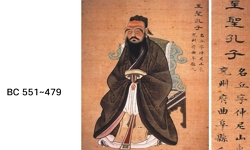
This study contains the meaning of accreditation that Confucius inherited the benevolence thought and filial duty educational culture of the Samsungjo which are Hwanwin in the era of Hwanguk, Hwanwoong in Baedalguk, and Emperor Dangunwanggeom who are teachers and saints of Korean people. Therefore, in this study, it will be discussed first the background and the formation process how Confucius' benevolence thought and filial duty educational culture were formed.
The three oriental statues are often referred to as Confucianism, Buddhism and Taoism. All of these were accepted by the philosophy and wisdom of Cheon-Boo-Kyung but, Confucianism, in particular, is a study composed by Confucius, and especially its core philosophy is in copula commentary of I-Ching, logically, it is very certain that they were inherited a profound philosophy and abundant wisdom in life from Cheon-Boo-Kyung. In fact, in the ancient times, when I-Ching was formed, the most important number was already passed down from Cheon-Boo-Kyung. However, as it is a matter of discussing the best philosophy, it will not be discussed in this study.
In this study, we will focus on Confucius' benevolence thought and filial duty educational culture which have greatly influenced Korean education based on the thought of Benevolence-Filial Piety of Hwaninohun, a world-class educational and cultural treasure in the era of Hwanguk which was the origin of Confucius' ideas. Because benevolence thought alone is so vast and profound, expertise is requested, and filial educational culture is not something to be simply discussed because the first start of education is respect parents, respect elders, and respect God.
Since the purpose of this study is the filial duty educational culture for the youth who will be the putative leader in the future, it is mainly intended to find the theories of Confucius' benevolence thought and filial duty educational culture from the Analects of Confucius.
The purpose of this study is to restore the spirit of Korean education through future education and educational innovation for modern education in crisis by exploring Confucius' benevolence thought and filial duty educational culture which has been the source of Korean thought and education and culture since the Three Kingdoms Period, as well as Oriental thought which took root in Orientalism and education culture.
Furthermore, there is a second purpose to understand Sagye’s filial piety of Confucius in the Analectsof Confucius commentary of Kim Jang-saeng, was a leading role of Donam-Seowon, which was listed as a World Heritage Site and was introduced to the world.
This study contains the meaning of accreditation that Confucius inherited the benevolence thought and filial duty educational culture of the Samsungjo which are Hwanwin in the era of Hwanguk, Hwanwoong in Baedalguk, and Emperor Dangunwanggeom who are teachers and saints of Korean people. Therefore, in this study, it will be discussed first the background and the formation process how Confucius' benevolence thought and filial duty educational culture were formed.
The three oriental statues are often referred to as Confucianism, Buddhism and Taoism. All of these were accepted by the philosophy and wisdom of Cheon-Boo-Kyung but, Confucianism, in particular, is a study composed by Confucius, and especially its core philosophy is in copula commentary of I-Ching, logically, it is very certain that they were inherited a profound philosophy and abundant wisdom in life from Cheon-Boo-Kyung. In fact, in the ancient times, when I-Ching was formed, the most important number was already passed down from Cheon-Boo-Kyung. However, as it is a matter of discussing the best philosophy, it will not be discussed in this study.
In this study, we will focus on Confucius' benevolence thought and filial duty educational culture which have greatly influenced Korean education based on the thought of Benevolence-Filial Piety of Hwaninohun, a world-class educational and cultural treasure in the era of Hwanguk which was the origin of Confucius' ideas. Because benevolence thought alone is so vast and profound, expertise is requested, and filial educational culture is not something to be simply discussed because the first start of education is respect parents, respect elders, and respect God.
Since the purpose of this study is the filial duty educational culture for the youth who will be the putative leader in the future, it is mainly intended to find the theories of Confucius' benevolence thought and filial duty educational culture from the Analects of Confucius.
The purpose of this study is to restore the spirit of Korean education through future education and educational innovation for modern education in crisis by exploring Confucius' benevolence thought and filial duty educational culture which has been the source of Korean thought and education and culture since the Three Kingdoms Period, as well as Oriental thought which took root in Orientalism and education culture.
Furthermore, there is a second purpose to understand Sagye’s filial piety of Confucius in the Analectsof Confucius commentary of Kim Jang-saeng, was a leading role of Donam-Seowon, which was listed as a World Heritage Site and was introduced to the world.
Korea is a heavenly country. It is a moral nation that has received Cheon-Bu-Kyeong from God and planted the seed of world philosophy, and inherited Hwaninohoon and succeeded the principle of filial piety culture, which is the original text of human moral culture.
This study contains the meaning of accreditation that Confucius inherited the benevolence thought and filial duty educational culture of the Samsungjo which are Hwanwin in the era of Hwanguk, Hwanwoong in Baedalguk, and Emperor Dangunwanggeom who are teachers and saints of Korean people. Therefore, in this study, it will be discussed first the background and the formation process how Confucius' benevolence thought and filial duty educational culture were formed.
The three oriental statues are often referred to as Confucianism, Buddhism and Taoism. All of these were accepted by the philosophy and wisdom of Cheon-Boo-Kyung but, Confucianism, in particular, is a study composed by Confucius, and especially its core philosophy is in copula commentary of I-Ching, logically, it is very certain that they were inherited a profound philosophy and abundant wisdom in life from Cheon-Boo-Kyung. In fact, in the ancient times, when I-Ching was formed, the most important number was already passed down from Cheon-Boo-Kyung. However, as it is a matter of discussing the best philosophy, it will not be discussed in this study.
In this study, we will focus on Confucius' benevolence thought and filial duty educational culture which have greatly influenced Korean education based on the thought of Benevolence-Filial Piety of Hwaninohun, a world-class educational and cultural treasure in the era of Hwanguk which was the origin of Confucius' ideas. Because benevolence thought alone is so vast and profound, expertise is requested, and filial educational culture is not something to be simply discussed because the first start of education is respect parents, respect elders, and respect God.
Since the purpose of this study is the filial duty educational culture for the youth who will be the putative leader in the future, it is mainly intended to find the theories of Confucius' benevolence thought and filial duty educational culture from the Analects of Confucius.
The purpose of this study is to restore the spirit of Korean education through future education and educational innovation for modern education in crisis by exploring Confucius' benevolence thought and filial duty educational culture which has been the source of Korean thought and education and culture since the Three Kingdoms Period, as well as Oriental thought which took root in Orientalism and education culture.
Furthermore, there is a second purpose to understand Sagye’s filial piety of Confucius in the Analectsof Confucius commentary of Kim Jang-saeng, was a leading role of Donam-Seowon, which was listed as a World Heritage Site and was introduced to the world.
동일학술지(권/호) 다른 논문
-
- 한국청소년효문화학회
- 박영진(서도)
- 2020
-
- 한국청소년효문화학회
- 장정태 ( Jang Jeong-tae )
- 2020
-
- 한국청소년효문화학회
- 민정기 ( Min Jung-ki )
- 2020
-
상고 관련 전승기록 내 화행(化行)과 효(孝) 보편화의 의미
- 한국청소년효문화학회
- 박선식 ( Park Sun-sik )
- 2020
분석정보



이 자료와 함께 이용한 RISS 자료
나만을 위한 추천자료


