 국립중앙도서관 "우편 복사 서비스"로 연결 됩니다.


사회의 변화는 교육, 행동주의, 연대, 그리고 평화의 문화를 구축하기 위한 변화의 필요성에 대한 이해 와 같은 행동들에서 시작됩니다. 글로벌 고등교육(HE) 파트너십은 평화 구축의 다양성...
다국어 입력
あ
ぁ
か
が
さ
ざ
た
だ
な
は
ば
ぱ
ま
や
ゃ
ら
わ
ゎ
ん
い
ぃ
き
ぎ
し
じ
ち
ぢ
に
ひ
び
ぴ
み
り
う
ぅ
く
ぐ
す
ず
つ
づ
っ
ぬ
ふ
ぶ
ぷ
む
ゆ
ゅ
る
え
ぇ
け
げ
せ
ぜ
て
で
ね
へ
べ
ぺ
め
れ
お
ぉ
こ
ご
そ
ぞ
と
ど
の
ほ
ぼ
ぽ
も
よ
ょ
ろ
を
ア
ァ
カ
サ
ザ
タ
ダ
ナ
ハ
バ
パ
マ
ヤ
ャ
ラ
ワ
ヮ
ン
イ
ィ
キ
ギ
シ
ジ
チ
ヂ
ニ
ヒ
ビ
ピ
ミ
リ
ウ
ゥ
ク
グ
ス
ズ
ツ
ヅ
ッ
ヌ
フ
ブ
プ
ム
ユ
ュ
ル
エ
ェ
ケ
ゲ
セ
ゼ
テ
デ
ヘ
ベ
ペ
メ
レ
オ
ォ
コ
ゴ
ソ
ゾ
ト
ド
ノ
ホ
ボ
ポ
モ
ヨ
ョ
ロ
ヲ
―
http://chineseinput.net/에서 pinyin(병음)방식으로 중국어를 변환할 수 있습니다.
변환된 중국어를 복사하여 사용하시면 됩니다.
예시)
- 中文 을 입력하시려면 zhongwen을 입력하시고 space를누르시면됩니다.
- 北京 을 입력하시려면 beijing을 입력하시고 space를 누르시면 됩니다.
А
Б
В
Г
Д
Е
Ё
Ж
З
И
Й
К
Л
М
Н
О
П
Р
С
Т
У
Ф
Х
Ц
Ч
Ш
Щ
Ъ
Ы
Ь
Э
Ю
Я
а
б
в
г
д
е
ё
ж
з
и
й
к
л
м
н
о
п
р
с
т
у
ф
х
ц
ч
ш
щ
ъ
ы
ь
э
ю
я
′
″
℃
Å
¢
£
¥
¤
℉
‰
$
%
F
₩
㎕
㎖
㎗
ℓ
㎘
㏄
㎣
㎤
㎥
㎦
㎙
㎚
㎛
㎜
㎝
㎞
㎟
㎠
㎡
㎢
㏊
㎍
㎎
㎏
㏏
㎈
㎉
㏈
㎧
㎨
㎰
㎱
㎲
㎳
㎴
㎵
㎶
㎷
㎸
㎹
㎀
㎁
㎂
㎃
㎄
㎺
㎻
㎽
㎾
㎿
㎐
㎑
㎒
㎓
㎔
Ω
㏀
㏁
㎊
㎋
㎌
㏖
㏅
㎭
㎮
㎯
㏛
㎩
㎪
㎫
㎬
㏝
㏐
㏓
㏃
㏉
㏜
㏆

RISS 인기검색어
Partnerships in Higher Education for Peacebuilding: Challenges, opportunities, and transformative possibilities = 평화구축을 위한 고등교육 파트너십: 도전, 기회 및 변혁적 가능성
한글로보기https://www.riss.kr/link?id=T17315052
- 저자
-
발행사항
서울 : 서울대학교 대학원, 2025
-
학위논문사항
학위논문(박사) -- 서울대학교 대학원 , 협동과정글로벌교육협력전공 Comparative and International Education, Peacebuilding, Higher Education , 2025. 8
-
발행연도
2025
-
작성언어
영어
- 주제어
-
DDC
370.115
-
발행국(도시)
서울
-
형태사항
VII, 237 ; 26 cm
-
일반주기명
지도교수: Kevin Kester
-
UCI식별코드
I804:11032-000000191914
- DOI식별코드
-
소장기관
- 서울대학교 중앙도서관

- 서울대학교 중앙도서관
-
0
상세조회 -
0
다운로드
부가정보
국문 초록 (Abstract)

사회의 변화는 교육, 행동주의, 연대, 그리고 평화의 문화를 구축하기 위한 변화의 필요성에 대한 이해
와 같은 행동들에서 시작됩니다. 글로벌 고등교육(HE) 파트너십은 평화 구축의 다양성과 관계적 측면
을 강조합니다. 현재 글로벌 남반구-북반구(S-N) 고등교육의 파트너십, 공정성, 생산성과 지속 가능성
에 대한 연구는 특히 중요합니다. 이러한 파트너십이 국제 고등교육의 관계, 연구, 사회 구조에서 중요
한 역할을 시작하고 있기 때문입니다. 그러나 글로벌 고등교육 네트워크와 관계성은 여전히 (신)식민
주의적이고 서구 중심적인 힘의 역학관계와 불평등에 시달리고 있으며, 국제 고등교육에서 특히 글로
벌 S-N HE 파트너십 분야에서는 여전히 개발되지 않은 문헌적 논의 및 대화의 영역이 상당히 있습니
다. 이 논문은 탈식민성의 관점에 기반하고 Lederach(1997)의 평화 구축 체계에 이론적인 영향을 받았
으며 고등교육의 역할, 책임, 파트너십 실천 및 평화 구축 분야의 문헌을 참고하고 있습니다. 연구자는
질적 연구 방식을 사용하고 내재적-민족지적 사례 연구 접근법을 통해 소말리랜드 대학교의 연구소에
서 활동하거나 이를 통해 협력하는 고등교육 관계자들의 지속가능한 관계를 조사합니다. 이 사례는 글
로벌 남반구-북반구(S-N) 고등교육의 파트너십을 평화 구축의 관점에서 접근하는 전환을 통해 권력 역
학의 재조정을 주장합니다. 실증적 데이터는 인터뷰, 기록 분석, 현장 노트, 자기 성찰, 그리고 주제 분
석 기법으로 분류된 기록 자료를 포함하고 있습니다.
이 연구의 목적은 글로벌 남반구-북반구(S-N) 고등교육의 파트너십에서 고등교육 관계자들의 관계와
관계성을 통해 평화 구축에 대한 이해와 기여를 탐색하고, 협력자들 역할의 공정성을 탐구하는 데 있
습니다. 이 논문은 전체적으로 평화 구축을 위한 파트너십에 참여하고 이를 활용하는 동료들과 협력을
통해 글로벌 S-N 파트너십이 지닌 공정성의 현실과 글로벌 평화의 문화 구축에 기여할 가능성을 다루
고 있습니다. 본 연구는 고등교육 관계를 통한 평화 구축의 변혁적 가능성(혹은 그 부재)을 더욱 잘 이
해하기 위하여 글로벌 S-N 고등교육 파트너십의 협력자, 관리자, 교수진, 구성원, 이해 관계자들의 다
양한 통찰과 실천에 집중하고 있습니다. 또한 이 연구는 고등교육 내 파트너십의 구조와 역할이 평화
구축을 위해 어떻게 작용하는지를 조사합니다. 실증적 데이터는 참여자들의 경험, 기회, 도전과제에 대
한 다양한 관점을 검토하며, 이를 통해 다른 글로벌 S-N 고등교육 파트너십에 보다 나은 실천 방안을
전파할 수 있기를 기대합니다. 연구 결과는 헤게모니적이고 서구 중심적 구조 내에서, 또는 이를 통해,
혹은 함께 활동하면서 고등교육에서, 또는 이를 통해 반복되는 폭력을 중단하기 위하여 평화 구축을
촉진하는 중간 범위 고등교육 관계자들의 핵심적인 역할을 강조합니다.
더 나아가, 연구 결과는 긍정적인 사회적 변혁과 공정한 관계로 나아가는 방법에 대한 통찰을 제공합
니다. 마지막으로, 본 논문은 고등교육 분야에서의 연구, 관계성, 실천에 대한 몇 가지 시사점과 미래
방향을 제시하며, 글로벌 S-N 고등교육 파트너십에서 더 나은 실천과 관계 구축을 위한 새로운 원칙
들을 제안합니다.
주요어 : 평화구축, 글로벌 남북, 파트너십, 형평성, 역량강화, 고등교육
와 같은 행동들에서 시작됩니다. 글로벌 고등교육(HE) 파트너십은 평화 구축의 다양성과 관계적 측면
을 강조합니다. 현재 글로벌 남반구-북반구(S-N) 고등교육의 파트너십, 공정성, 생산성과 지속 가능성
에 대한 연구는 특히 중요합니다. 이러한 파트너십이 국제 고등교육의 관계, 연구, 사회 구조에서 중요
한 역할을 시작하고 있기 때문입니다. 그러나 글로벌 고등교육 네트워크와 관계성은 여전히 (신)식민
주의적이고 서구 중심적인 힘의 역학관계와 불평등에 시달리고 있으며, 국제 고등교육에서 특히 글로
벌 S-N HE 파트너십 분야에서는 여전히 개발되지 않은 문헌적 논의 및 대화의 영역이 상당히 있습니
다. 이 논문은 탈식민성의 관점에 기반하고 Lederach(1997)의 평화 구축 체계에 이론적인 영향을 받았
으며 고등교육의 역할, 책임, 파트너십 실천 및 평화 구축 분야의 문헌을 참고하고 있습니다. 연구자는
질적 연구 방식을 사용하고 내재적-민족지적 사례 연구 접근법을 통해 소말리랜드 대학교의 연구소에
서 활동하거나 이를 통해 협력하는 고등교육 관계자들의 지속가능한 관계를 조사합니다. 이 사례는 글
로벌 남반구-북반구(S-N) 고등교육의 파트너십을 평화 구축의 관점에서 접근하는 전환을 통해 권력 역
학의 재조정을 주장합니다. 실증적 데이터는 인터뷰, 기록 분석, 현장 노트, 자기 성찰, 그리고 주제 분
석 기법으로 분류된 기록 자료를 포함하고 있습니다.
이 연구의 목적은 글로벌 남반구-북반구(S-N) 고등교육의 파트너십에서 고등교육 관계자들의 관계와
관계성을 통해 평화 구축에 대한 이해와 기여를 탐색하고, 협력자들 역할의 공정성을 탐구하는 데 있
습니다. 이 논문은 전체적으로 평화 구축을 위한 파트너십에 참여하고 이를 활용하는 동료들과 협력을
통해 글로벌 S-N 파트너십이 지닌 공정성의 현실과 글로벌 평화의 문화 구축에 기여할 가능성을 다루
고 있습니다. 본 연구는 고등교육 관계를 통한 평화 구축의 변혁적 가능성(혹은 그 부재)을 더욱 잘 이
해하기 위하여 글로벌 S-N 고등교육 파트너십의 협력자, 관리자, 교수진, 구성원, 이해 관계자들의 다
양한 통찰과 실천에 집중하고 있습니다. 또한 이 연구는 고등교육 내 파트너십의 구조와 역할이 평화
구축을 위해 어떻게 작용하는지를 조사합니다. 실증적 데이터는 참여자들의 경험, 기회, 도전과제에 대
한 다양한 관점을 검토하며, 이를 통해 다른 글로벌 S-N 고등교육 파트너십에 보다 나은 실천 방안을
전파할 수 있기를 기대합니다. 연구 결과는 헤게모니적이고 서구 중심적 구조 내에서, 또는 이를 통해,
혹은 함께 활동하면서 고등교육에서, 또는 이를 통해 반복되는 폭력을 중단하기 위하여 평화 구축을
촉진하는 중간 범위 고등교육 관계자들의 핵심적인 역할을 강조합니다.
더 나아가, 연구 결과는 긍정적인 사회적 변혁과 공정한 관계로 나아가는 방법에 대한 통찰을 제공합
니다. 마지막으로, 본 논문은 고등교육 분야에서의 연구, 관계성, 실천에 대한 몇 가지 시사점과 미래
방향을 제시하며, 글로벌 S-N 고등교육 파트너십에서 더 나은 실천과 관계 구축을 위한 새로운 원칙
들을 제안합니다.
주요어 : 평화구축, 글로벌 남북, 파트너십, 형평성, 역량강화, 고등교육
사회의 변화는 교육, 행동주의, 연대, 그리고 평화의 문화를 구축하기 위한 변화의 필요성에 대한 이해
와 같은 행동들에서 시작됩니다. 글로벌 고등교육(HE) 파트너십은 평화 구축의 다양성과 관계적 측면
을 강조합니다. 현재 글로벌 남반구-북반구(S-N) 고등교육의 파트너십, 공정성, 생산성과 지속 가능성
에 대한 연구는 특히 중요합니다. 이러한 파트너십이 국제 고등교육의 관계, 연구, 사회 구조에서 중요
한 역할을 시작하고 있기 때문입니다. 그러나 글로벌 고등교육 네트워크와 관계성은 여전히 (신)식민
주의적이고 서구 중심적인 힘의 역학관계와 불평등에 시달리고 있으며, 국제 고등교육에서 특히 글로
벌 S-N HE 파트너십 분야에서는 여전히 개발되지 않은 문헌적 논의 및 대화의 영역이 상당히 있습니
다. 이 논문은 탈식민성의 관점에 기반하고 Lederach(1997)의 평화 구축 체계에 이론적인 영향을 받았
으며 고등교육의 역할, 책임, 파트너십 실천 및 평화 구축 분야의 문헌을 참고하고 있습니다. 연구자는
질적 연구 방식을 사용하고 내재적-민족지적 사례 연구 접근법을 통해 소말리랜드 대학교의 연구소에
서 활동하거나 이를 통해 협력하는 고등교육 관계자들의 지속가능한 관계를 조사합니다. 이 사례는 글
로벌 남반구-북반구(S-N) 고등교육의 파트너십을 평화 구축의 관점에서 접근하는 전환을 통해 권력 역
학의 재조정을 주장합니다. 실증적 데이터는 인터뷰, 기록 분석, 현장 노트, 자기 성찰, 그리고 주제 분
석 기법으로 분류된 기록 자료를 포함하고 있습니다.
이 연구의 목적은 글로벌 남반구-북반구(S-N) 고등교육의 파트너십에서 고등교육 관계자들의 관계와
관계성을 통해 평화 구축에 대한 이해와 기여를 탐색하고, 협력자들 역할의 공정성을 탐구하는 데 있
습니다. 이 논문은 전체적으로 평화 구축을 위한 파트너십에 참여하고 이를 활용하는 동료들과 협력을
통해 글로벌 S-N 파트너십이 지닌 공정성의 현실과 글로벌 평화의 문화 구축에 기여할 가능성을 다루
고 있습니다. 본 연구는 고등교육 관계를 통한 평화 구축의 변혁적 가능성(혹은 그 부재)을 더욱 잘 이
해하기 위하여 글로벌 S-N 고등교육 파트너십의 협력자, 관리자, 교수진, 구성원, 이해 관계자들의 다
양한 통찰과 실천에 집중하고 있습니다. 또한 이 연구는 고등교육 내 파트너십의 구조와 역할이 평화
구축을 위해 어떻게 작용하는지를 조사합니다. 실증적 데이터는 참여자들의 경험, 기회, 도전과제에 대
한 다양한 관점을 검토하며, 이를 통해 다른 글로벌 S-N 고등교육 파트너십에 보다 나은 실천 방안을
전파할 수 있기를 기대합니다. 연구 결과는 헤게모니적이고 서구 중심적 구조 내에서, 또는 이를 통해,
혹은 함께 활동하면서 고등교육에서, 또는 이를 통해 반복되는 폭력을 중단하기 위하여 평화 구축을
촉진하는 중간 범위 고등교육 관계자들의 핵심적인 역할을 강조합니다.
더 나아가, 연구 결과는 긍정적인 사회적 변혁과 공정한 관계로 나아가는 방법에 대한 통찰을 제공합
니다. 마지막으로, 본 논문은 고등교육 분야에서의 연구, 관계성, 실천에 대한 몇 가지 시사점과 미래
방향을 제시하며, 글로벌 S-N 고등교육 파트너십에서 더 나은 실천과 관계 구축을 위한 새로운 원칙
들을 제안합니다.
주요어 : 평화구축, 글로벌 남북, 파트너십, 형평성, 역량강화, 고등교육
다국어 초록 (Multilingual Abstract)
Social change begins with acts of education, activism, solidarity, and understanding the need
for change to move toward building a culture of peace. Global higher education (HE)
partnerships emphasize the multiplicity and relational aspects of peacebuilding. Research into
Global South-North (S-N) HE partnerships, their equitability, productivity, and sustainability
is important, especially now, because they are beginning to play a critical role in international
higher education relationships, research, and social structures. Yet, global HE networks and
relationality are still plagued by (neo)colonial and Western-centric power dynamics and
inequities and there are still quite a few areas that have yet to be developed in the literature
debates and/or dialogues in international higher education; especially, in the area of Global S
N HE partnerships. Overall, this thesis is theoretically informed by Lederach’s (1997)
peacebuilding framework nested within decoloniality and draws on literature from the field of
higher education roles, responsibilities, and partnership practices as well as peacebuilding. I
employ qualitative inquiry with an intrinsic-ethnographic case study approach, examining the
sustainable relationships of HE actors working in/with/through the Research Institute at
Somaliland University (in the Horn of Africa), as this case claims to rebalance power dynamics
through a shift that approaches Global S-N HE partnerships through a peacebuilding lens. The
empirical data included interviews, document analysis, fieldnotes, reflexivity, artifacts, and
archival materials, which were coded using thematic analysis.
The purpose of this study is to explore the understandings of and contributions to
peacebuilding through HE actors’ relations and relationality within Global S-N HE
partnerships and the equitability of collaborators’ roles. In its entirety, this thesis addresses
Global S-N partnerships’ reality of equitability and their potential to contribute to building a
global culture of peace, in collaboration with colleagues participating in and using partnerships
for peacebuilding. This study concentrates on various insights and enactments of Global S-N
HE partnership collaborators, administrators, faculty, constituents, and stakeholders to better
understand the transformative possibilities for peacebuilding through HE relationships. Also,
it examines ways in which the structures and roles of partnerships in HE work toward
peacebuilding. The empirical data examines the multiple perspectives of participants’
experiences, opportunities, and challenges in the hopes of transferring better practices to other
Global S-N HE partnerships. The findings highlight the vital role of middle-range HE actors in
fostering peacebuilding while working in/through/with hegemonic and Western-centric
structures to disrupt violences perpetuated in/through HE partnerships. Furthermore, the
findings provide insights on how to move toward positive social transformation and equitable
relations. Lastly, this thesis provides several implications and future directions for research,
relationality, and praxis in HE; and lessons to apply new principles to Global S-N HE
partnerships for better practices and relationship building.
for change to move toward building a culture of peace. Global higher education (HE)
partnerships emphasize the multiplicity and relational aspects of peacebuilding. Research into
Global South-North (S-N) HE partnerships, their equitability, productivity, and sustainability
is important, especially now, because they are beginning to play a critical role in international
higher education relationships, research, and social structures. Yet, global HE networks and
relationality are still plagued by (neo)colonial and Western-centric power dynamics and
inequities and there are still quite a few areas that have yet to be developed in the literature
debates and/or dialogues in international higher education; especially, in the area of Global S
N HE partnerships. Overall, this thesis is theoretically informed by Lederach’s (1997)
peacebuilding framework nested within decoloniality and draws on literature from the field of
higher education roles, responsibilities, and partnership practices as well as peacebuilding. I
employ qualitative inquiry with an intrinsic-ethnographic case study approach, examining the
sustainable relationships of HE actors working in/with/through the Research Institute at
Somaliland University (in the Horn of Africa), as this case claims to rebalance power dynamics
through a shift that approaches Global S-N HE partnerships through a peacebuilding lens. The
empirical data included interviews, document analysis, fieldnotes, reflexivity, artifacts, and
archival materials, which were coded using thematic analysis.
The purpose of this study is to explore the understandings of and contributions to
peacebuilding through HE actors’ relations and relationality within Global S-N HE
partnerships and the equitability of collaborators’ roles. In its entirety, this thesis addresses
Global S-N partnerships’ reality of equitability and their potential to contribute to building a
global culture of peace, in collaboration with colleagues participating in and using partnerships
for peacebuilding. This study concentrates on various insights and enactments of Global S-N
HE partnership collaborators, administrators, faculty, constituents, and stakeholders to better
understand the transformative possibilities for peacebuilding through HE relationships. Also,
it examines ways in which the structures and roles of partnerships in HE work toward
peacebuilding. The empirical data examines the multiple perspectives of participants’
experiences, opportunities, and challenges in the hopes of transferring better practices to other
Global S-N HE partnerships. The findings highlight the vital role of middle-range HE actors in
fostering peacebuilding while working in/through/with hegemonic and Western-centric
structures to disrupt violences perpetuated in/through HE partnerships. Furthermore, the
findings provide insights on how to move toward positive social transformation and equitable
relations. Lastly, this thesis provides several implications and future directions for research,
relationality, and praxis in HE; and lessons to apply new principles to Global S-N HE
partnerships for better practices and relationship building.
Social change begins with acts of education, activism, solidarity, and understanding the need for change to move toward building a culture of peace. Global higher education (HE) partnerships emphasize the multiplicity and relational aspects of peace...
Social change begins with acts of education, activism, solidarity, and understanding the need
for change to move toward building a culture of peace. Global higher education (HE)
partnerships emphasize the multiplicity and relational aspects of peacebuilding. Research into
Global South-North (S-N) HE partnerships, their equitability, productivity, and sustainability
is important, especially now, because they are beginning to play a critical role in international
higher education relationships, research, and social structures. Yet, global HE networks and
relationality are still plagued by (neo)colonial and Western-centric power dynamics and
inequities and there are still quite a few areas that have yet to be developed in the literature
debates and/or dialogues in international higher education; especially, in the area of Global S
N HE partnerships. Overall, this thesis is theoretically informed by Lederach’s (1997)
peacebuilding framework nested within decoloniality and draws on literature from the field of
higher education roles, responsibilities, and partnership practices as well as peacebuilding. I
employ qualitative inquiry with an intrinsic-ethnographic case study approach, examining the
sustainable relationships of HE actors working in/with/through the Research Institute at
Somaliland University (in the Horn of Africa), as this case claims to rebalance power dynamics
through a shift that approaches Global S-N HE partnerships through a peacebuilding lens. The
empirical data included interviews, document analysis, fieldnotes, reflexivity, artifacts, and
archival materials, which were coded using thematic analysis.
The purpose of this study is to explore the understandings of and contributions to
peacebuilding through HE actors’ relations and relationality within Global S-N HE
partnerships and the equitability of collaborators’ roles. In its entirety, this thesis addresses
Global S-N partnerships’ reality of equitability and their potential to contribute to building a
global culture of peace, in collaboration with colleagues participating in and using partnerships
for peacebuilding. This study concentrates on various insights and enactments of Global S-N
HE partnership collaborators, administrators, faculty, constituents, and stakeholders to better
understand the transformative possibilities for peacebuilding through HE relationships. Also,
it examines ways in which the structures and roles of partnerships in HE work toward
peacebuilding. The empirical data examines the multiple perspectives of participants’
experiences, opportunities, and challenges in the hopes of transferring better practices to other
Global S-N HE partnerships. The findings highlight the vital role of middle-range HE actors in
fostering peacebuilding while working in/through/with hegemonic and Western-centric
structures to disrupt violences perpetuated in/through HE partnerships. Furthermore, the
findings provide insights on how to move toward positive social transformation and equitable
relations. Lastly, this thesis provides several implications and future directions for research,
relationality, and praxis in HE; and lessons to apply new principles to Global S-N HE
partnerships for better practices and relationship building.
목차 (Table of Contents)
- Acknowledgements I
- Abstract II
- Table of Contents III
- Abbreviations, Tables, and Figures VI
- Chapter 1. Introduction 1
- Acknowledgements I
- Abstract II
- Table of Contents III
- Abbreviations, Tables, and Figures VI
- Chapter 1. Introduction 1
- 1.1 Background 7
- 1.1.1 Context of the study 7
- 1.1.2 Notes on terminology 17
- 1.2. Importance 20
- 1.3 Organization of the Thesis 21
- Chapter 2. Literature Review 22
- 2.1 Peace and Conflict Studies 22
- 2.2 Peace and Conflict Studies in Higher Education 29
- 2.3 Role of Global North-South Higher Education Partnerships 34
- 2.4 Equitability of Partnerships in Higher Education 39
- 2.5 Higher Education for Peacebuilding 45
- 2.6 Second-order Critique of the Field through a Decolonial Lens 50
- 2.7 Guiding Framework 57
- 2.8 Conclusion of Literature Review 63
- Chapter 3. Methodology 64
- 3.1 Researcher’s Ontology 64
- 3.2 Researcher’s Epistemology 66
- 3.3 Research Design 68
- 3.4 Case Selection 69
- 3.5 Research Process 69
- 3.5.1 Preliminary Research and Feasibility 70
- 3.5.2 Data Collection and Participants 71
- 3.6 Data Analysis and Interpretation 78
- 3.6.1 Analysis 78
- 3.6.2 Trustworthiness 79
- 3.6.3 Ethical Considerations 81
- 3.6.4 Strength, Limitations, Alternative Approach 82
- Chapter 4. Equity 84
- 4.1 Building Relations 85
- 4.1.1 Adaptability 85
- 4.1.2 Dignity 88
- 4.1.3 Reflexivity 89
- 4.1.4 Agency 91
- 4.2 (Co) Capacity Building 92
- 4.2.1 Political economy 92
- 4.2.2 Social capital 96
- 4.2.3 Global North Credibility (real or critical) 100
- 4.3 Analysis Using the Nested Decolonial-Peacebuilding Framework 103
- Chapter 5. Empowerment 109
- 5.1 Claiming Space 109
- 5.1.1 Localization 110
- 5.1.2 Claiming ownership 113
- 5.1.3 Circular empowerment 119
- 5.2 (Re) Imagining 122
- 5.2.1 “Decolonizing” to Decoloniality 122
- 5.2.2 Complexities and complicities of Whiteness 130
- 5.3 Analysis Using the Nested Decolonial-Peacebuilding Framework 133
- Chapter 6. Education 137
- 6.1 Embedding Peacebuilding Ethos 137
- 6.1.1 Community engagement for social transformation 139
- 6.1.2 Understanding ‘what exists and what is needed’ 143
- 6.1.3 (Re)Envisioning partner relations 146
- 6.2 Constructive Response: Creating Bridges 151
- 6.2.1 Bridging cultures to empower communication 151
- 6.2.2 Agents of change: people-to-people connections 155
- 6.2.3 ‘Building the minds of the people’ 158
- 6.3 Analysis Using the Nested Decolonial-Peacebuilding Framework 160
- Chapter 7. Discussion 164
- 7.1 Peacebuilding ethos 167
- 7.2 Shapeshifting structures 172
- 7.3 People matter 179
- 7.4 Discussion summary 185
- Chapter 8. Conclusion 186
- Appendix I: Recruitment document 200
- Appendix II: Informed consent 203
- Appendix III: Interview protocol 208
- Appendix IV: Transcript samples 211
- Appendix V: Fieldnotes samples 218
- Appendix VI: Extended peacebuilding framework 220
- Bibliography 221
- Korean Abstract 237
분석정보
연관 공개강의(KOCW)
-

Education Policy at the Party Conferences
Teachers TV Teachers TV -
Alcohol Education: Here's What We Want
Teachers TV Teachers TV -
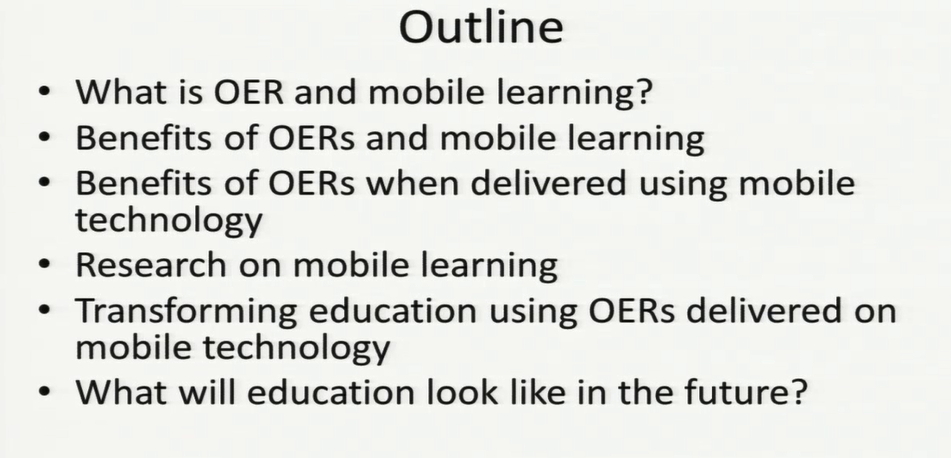
2014 이러닝 국제 콘퍼런스 : Open Education Resources with Mobile Learning to Transform Education
한국교육학술정보원 Mohamed Ally -
Further Education: Work Experience
Teachers TV Teachers TV -
Personal Finance Education: The Money Quiz
Teachers TV Teachers TV
이 자료와 함께 이용한 RISS 자료
나만을 위한 추천자료


