 국립중앙도서관 "우편 복사 서비스"로 연결 됩니다.


 RISS
RISS
본 연구는 Davis, Bagozzi & Warshaw(1989)가 제안한 TAM을 기반으로 연구를 수행하였으며 유희성, 정보풍부성, 적합성, 자기효능감이라는 이러닝 사이트 특성이 지속적인 이용의도에 미치는 영향력...
다국어 입력
あ
ぁ
か
が
さ
ざ
た
だ
な
は
ば
ぱ
ま
や
ゃ
ら
わ
ゎ
ん
い
ぃ
き
ぎ
し
じ
ち
ぢ
に
ひ
び
ぴ
み
り
う
ぅ
く
ぐ
す
ず
つ
づ
っ
ぬ
ふ
ぶ
ぷ
む
ゆ
ゅ
る
え
ぇ
け
げ
せ
ぜ
て
で
ね
へ
べ
ぺ
め
れ
お
ぉ
こ
ご
そ
ぞ
と
ど
の
ほ
ぼ
ぽ
も
よ
ょ
ろ
を
ア
ァ
カ
サ
ザ
タ
ダ
ナ
ハ
バ
パ
マ
ヤ
ャ
ラ
ワ
ヮ
ン
イ
ィ
キ
ギ
シ
ジ
チ
ヂ
ニ
ヒ
ビ
ピ
ミ
リ
ウ
ゥ
ク
グ
ス
ズ
ツ
ヅ
ッ
ヌ
フ
ブ
プ
ム
ユ
ュ
ル
エ
ェ
ケ
ゲ
セ
ゼ
テ
デ
ヘ
ベ
ペ
メ
レ
オ
ォ
コ
ゴ
ソ
ゾ
ト
ド
ノ
ホ
ボ
ポ
モ
ヨ
ョ
ロ
ヲ
―
http://chineseinput.net/에서 pinyin(병음)방식으로 중국어를 변환할 수 있습니다.
변환된 중국어를 복사하여 사용하시면 됩니다.
예시)
- 中文 을 입력하시려면 zhongwen을 입력하시고 space를누르시면됩니다.
- 北京 을 입력하시려면 beijing을 입력하시고 space를 누르시면 됩니다.
А
Б
В
Г
Д
Е
Ё
Ж
З
И
Й
К
Л
М
Н
О
П
Р
С
Т
У
Ф
Х
Ц
Ч
Ш
Щ
Ъ
Ы
Ь
Э
Ю
Я
а
б
в
г
д
е
ё
ж
з
и
й
к
л
м
н
о
п
р
с
т
у
ф
х
ц
ч
ш
щ
ъ
ы
ь
э
ю
я
′
″
℃
Å
¢
£
¥
¤
℉
‰
$
%
F
₩
㎕
㎖
㎗
ℓ
㎘
㏄
㎣
㎤
㎥
㎦
㎙
㎚
㎛
㎜
㎝
㎞
㎟
㎠
㎡
㎢
㏊
㎍
㎎
㎏
㏏
㎈
㎉
㏈
㎧
㎨
㎰
㎱
㎲
㎳
㎴
㎵
㎶
㎷
㎸
㎹
㎀
㎁
㎂
㎃
㎄
㎺
㎻
㎽
㎾
㎿
㎐
㎑
㎒
㎓
㎔
Ω
㏀
㏁
㎊
㎋
㎌
㏖
㏅
㎭
㎮
㎯
㏛
㎩
㎪
㎫
㎬
㏝
㏐
㏓
㏃
㏉
㏜
㏆

이러닝(E-learning) 사이트 특성이 지속적인 이용의도에 미치는 영향 = Factors Affecting the Continuous Use Intention of E-learning Site
한글로보기https://www.riss.kr/link?id=A76522659
- 저자
- 발행기관
- 학술지명
- 권호사항
-
발행연도
2008
-
작성언어
Korean
-
주제어
이러닝 ; 정보기술수용모형 ; 유희성 ; 지각된 신뢰성 ; E-learning ; TAM ; Enjoyment ; Perceived credibility
-
KDC
336.24
-
등재정보
KCI등재
-
자료형태
학술저널
- 발행기관 URL
-
수록면
237-261(25쪽)
-
KCI 피인용횟수
12
- DOI식별코드
- 제공처
- 소장기관
-
0
상세조회 -
0
다운로드
부가정보
국문 초록 (Abstract)

본 연구는 Davis, Bagozzi & Warshaw(1989)가 제안한 TAM을 기반으로 연구를 수행하였으며 유희성, 정보풍부성, 적합성, 자기효능감이라는 이러닝 사이트 특성이 지속적인 이용의도에 미치는 영향력을 살펴보기 위하여 실증분석을 수행하였다. 이를 위해 선행연구를 통해 연구모형을 설계하였으며 , 모형을 검증하기 위해서 이러닝 사이트 이용자 대상의 설문조사를 실시하여 구조방정식모형으로 가설을 검증하였다. 분석 결과, 유희성, 적합성, 자기효능감은 지각된 유용성에 정(+)의 영향력을 가지고, 자기효능감은 지각된 사용 용이성에 정(+)의 영향을 가졌다. 또한 지각된 유용성 , 지각된 사용 용이성 , 지각된 신뢰성은 지속적인 이용의도에 긍정적인 영향을 미쳤으며, 지각된 사용 용이성은 지각된 신뢰성에 긍정적인 영향을 미치고 있었다. 본 연구는 이러닝 사이트를 구축하여 서비스를 제공하고자 하는 사업자에게 유용한 정보를 제공할 수 있을 것이다.
본 연구는 Davis, Bagozzi & Warshaw(1989)가 제안한 TAM을 기반으로 연구를 수행하였으며 유희성, 정보풍부성, 적합성, 자기효능감이라는 이러닝 사이트 특성이 지속적인 이용의도에 미치는 영향력을 살펴보기 위하여 실증분석을 수행하였다. 이를 위해 선행연구를 통해 연구모형을 설계하였으며 , 모형을 검증하기 위해서 이러닝 사이트 이용자 대상의 설문조사를 실시하여 구조방정식모형으로 가설을 검증하였다. 분석 결과, 유희성, 적합성, 자기효능감은 지각된 유용성에 정(+)의 영향력을 가지고, 자기효능감은 지각된 사용 용이성에 정(+)의 영향을 가졌다. 또한 지각된 유용성 , 지각된 사용 용이성 , 지각된 신뢰성은 지속적인 이용의도에 긍정적인 영향을 미쳤으며, 지각된 사용 용이성은 지각된 신뢰성에 긍정적인 영향을 미치고 있었다. 본 연구는 이러닝 사이트를 구축하여 서비스를 제공하고자 하는 사업자에게 유용한 정보를 제공할 수 있을 것이다.
다국어 초록 (Multilingual Abstract)
This study analyzed the continuous use intention of the e-learning site based on the technology acceptance model(TAM) of the Davis et al.(1989). In this study, we investigated the characteristics of the e-learning site such as enjoyment, information richness, compatibility, self-efficacy. We proposed a model of technology acceptance to investigate the relationship between external variables and individual acceptance of e-learning site.
This model was tested using data gathered from 203 users of e-learning site. The structural equation modeling technique was used to evaluate the causal model and confirmatory factor analysis was performed to examine the reliability and validity of the measurement. The major results of this study are as follows. The enjoyment, compatibility, and self-efficacy had positive influences on the perceived usefulness, and the self-efficacy had positive influence on the perceived ease of use. The perceived ease of use had a positive effect on perceived credibility, and the perceived usefulness, perceived ease of use and perceived credibility had some positive effect on continuous use intention. When it consider the market share or the growth potential of the e-learning industry, this research results will be able to utilize as the basic information of an industry.
This model was tested using data gathered from 203 users of e-learning site. The structural equation modeling technique was used to evaluate the causal model and confirmatory factor analysis was performed to examine the reliability and validity of the measurement. The major results of this study are as follows. The enjoyment, compatibility, and self-efficacy had positive influences on the perceived usefulness, and the self-efficacy had positive influence on the perceived ease of use. The perceived ease of use had a positive effect on perceived credibility, and the perceived usefulness, perceived ease of use and perceived credibility had some positive effect on continuous use intention. When it consider the market share or the growth potential of the e-learning industry, this research results will be able to utilize as the basic information of an industry.
This study analyzed the continuous use intention of the e-learning site based on the technology acceptance model(TAM) of the Davis et al.(1989). In this study, we investigated the characteristics of the e-learning site such as enjoyment, information r...
This study analyzed the continuous use intention of the e-learning site based on the technology acceptance model(TAM) of the Davis et al.(1989). In this study, we investigated the characteristics of the e-learning site such as enjoyment, information richness, compatibility, self-efficacy. We proposed a model of technology acceptance to investigate the relationship between external variables and individual acceptance of e-learning site.
This model was tested using data gathered from 203 users of e-learning site. The structural equation modeling technique was used to evaluate the causal model and confirmatory factor analysis was performed to examine the reliability and validity of the measurement. The major results of this study are as follows. The enjoyment, compatibility, and self-efficacy had positive influences on the perceived usefulness, and the self-efficacy had positive influence on the perceived ease of use. The perceived ease of use had a positive effect on perceived credibility, and the perceived usefulness, perceived ease of use and perceived credibility had some positive effect on continuous use intention. When it consider the market share or the growth potential of the e-learning industry, this research results will be able to utilize as the basic information of an industry.
참고문헌 (Reference)
1 이경아, "정보기술수용모형(TAM) 관점에서 본 웹사이트 가치에 관한 연구" 한국경영정보학회 3 (3): 19-30, 2001
2 김용영, "정보기술 수용 후 주관적 지각 형성: 사용 경험에서 형성된 습관, 기대일치, 자기효능감의 역할" 한국경영정보학회 18 (18): 25-51, 2008
3 김홍구, "전자소매시장에서의 거래비용절감이 소비자의 합리적 선택행위에 미치는 영향" 한국동서경제학회 15 (15): 87-111, 2004
4 이웅규, "자기주도학습과 이러닝 학습환경 만족: 자기조절효능감에 의한 비교분석" 한국경영과학회 31 (31): 127-143, 2006
5 오상현, "인터넷뱅킹 이용요인 간 구조적 관계: 기술수용모델(TAM)의 확장을 중심으로" 한국마케팅학회 21 (21): 1-27, 2006
6 최수정, "이러닝 시스템의 매체풍부성, 매체유용성, 매체경험이 학습자 만족에 미치는 영향" 한국데이타베이스학회 14 (14): 27-47, 2007
7 강경준, "원격교육에서 매체 경험, 풍부성, 유용성이 커뮤니케이션 만족도에 미치는 영향에 관한 연구" 전남대학교 대학원 2006
8 김태구, "사회적 영향, 적합성과 개인 혁신성이 호텔정보시스템 수용행동에 미치는 영향" 대한관광경영학회 31 (31): 137-156, 2007
9 강성수, "모바일 커머스의 이용의도에 영향을 미치는 외부 요인에 관한 연구" 06 (06): 931-950, 2006
10 송영수, "디지털 시대의 인재양성 방향과 e-learning 전략" 한국산업교육학회 17 (17): 148-162, 2000
1 이경아, "정보기술수용모형(TAM) 관점에서 본 웹사이트 가치에 관한 연구" 한국경영정보학회 3 (3): 19-30, 2001
2 김용영, "정보기술 수용 후 주관적 지각 형성: 사용 경험에서 형성된 습관, 기대일치, 자기효능감의 역할" 한국경영정보학회 18 (18): 25-51, 2008
3 김홍구, "전자소매시장에서의 거래비용절감이 소비자의 합리적 선택행위에 미치는 영향" 한국동서경제학회 15 (15): 87-111, 2004
4 이웅규, "자기주도학습과 이러닝 학습환경 만족: 자기조절효능감에 의한 비교분석" 한국경영과학회 31 (31): 127-143, 2006
5 오상현, "인터넷뱅킹 이용요인 간 구조적 관계: 기술수용모델(TAM)의 확장을 중심으로" 한국마케팅학회 21 (21): 1-27, 2006
6 최수정, "이러닝 시스템의 매체풍부성, 매체유용성, 매체경험이 학습자 만족에 미치는 영향" 한국데이타베이스학회 14 (14): 27-47, 2007
7 강경준, "원격교육에서 매체 경험, 풍부성, 유용성이 커뮤니케이션 만족도에 미치는 영향에 관한 연구" 전남대학교 대학원 2006
8 김태구, "사회적 영향, 적합성과 개인 혁신성이 호텔정보시스템 수용행동에 미치는 영향" 대한관광경영학회 31 (31): 137-156, 2007
9 강성수, "모바일 커머스의 이용의도에 영향을 미치는 외부 요인에 관한 연구" 06 (06): 931-950, 2006
10 송영수, "디지털 시대의 인재양성 방향과 e-learning 전략" 한국산업교육학회 17 (17): 148-162, 2000
11 김경회, "관광산업 이러닝 컨텐츠 활성화에 관한 연구:항공사여행사를 중심으로" 한국관광학회 31 (31): 423-443, 2007
12 송태민, "건강정보 웹 사이트의 수용요인 분석" 한국보건사회연구원 25 (25): 143-182, 2005
13 장정주, "e-러닝 시스템 특성이 학습자 몰입과 학습만족에 미치는 영향" 한국데이타베이스학회 15 (15): 99-116, 2008
14 유시정, "e-learning사이트 특성과 기술수용모형에 관한 연구: 학습자 스타일을 중심으로" 국제e비즈니스학회. 7 (7): 97-118, 2006
15 Davis, F. D., "User Acceptance of Computer Technology: A Comparison of Two Theoretical Modes" 35 (35): 982-1003, 1989
16 Chiu, C. M., "Understanding Web-based Learning Continuance Intention: The Role of Subjective Task Value" 45 (45): 194-201, 2008
17 Taylor, S., "Understanding Information Technology Usage: A Test of Competing Models" 6 (6): 144-176, 1995
18 Luarn, P., "Toward an Understanding of the Behavioral Intention to Use Mobile Banking" 21 (21): 873-891, 2005
19 Agarwal, R., "Time Flies When You're Having Fun: Cognitive Absorption and Beliefs about Information Technology Usage" 24 (24): 665-694, 2000
20 Goodhue, D., "Task-technology Fit and Individual Performance" 19 (19): 213-236, 1995
21 Agarwal, R., "Research Report: The Evolving Relationship between General and Specific Computer Self-Efficacy-An Empirical Assessment" 11 (11): 418-430, 2000
22 Mathieson, K., "Predicting User Intentions: Comparing the Technology Acceptance Model with the Theory of Planned Behavior" 2 (2): 173-191, 1991
23 Vijayasarathy, L. R., "Predicting Consumer Intentions to Use On-line Shopping: the Case for an Augmented Technology Acceptance Model" 41 (41): 747-762, 2004
24 Daft, R. L., "Organizational Information Requirements, Media Richness and Structural Design" 32 (32): 554-571, 1986
25 Tornatzky, L. G., "Innovation Characteristics and Innovation Adoption-Implementation: A Meta-Analysis of Findings" 29 (29): 28-45, 1982
26 Ong, C. S., "Factors Affecting Engineers' Acceptance of Asynchronous E-learning Systems in High-tech Companies" 41 (41): 795-804, 2004
27 Moon, J. W., "Extending the TAM for a World-Wide-Web Context" 38 (38): 217-230, 2001
28 Bruner Ⅱ, G. C., "Explaining Consumer Acceptance of Handheld Internet Devices" 58 (58): 553-558, 2005
29 Chen, L. D., "Enticing Online Consumers: An Extended Technology Acceptance Perspective" 39 (39): 705-719, 2002
30 손달호, "E-learning의 결정요인이 학습효과에 미치는 영향" 한국경영정보학회 10 (10): 49-70, 2008
31 Venkatesh, V., "Determinants of Perceived Ease of Use: Integrating Control, Intrinsic Motivation, and Emotion into the Technology Acceptance Model" 11 (11): 342-365, 2000
32 Ha, I. S., "Determinants of Adoption of Mobile Games under Mobile Broadband Wireless Access Environment" 44 (44): 276-286, 2007
33 Chen,L.D, "Consumer Acceptance of Virtual Stores: A Theoretical Model and Critical Success Factors for Virtual Stores" University of Memphis 2000
34 Cao, M., "B2C E-commerce Web Site Quality: An Empirical Examination" 105 (105): 645-661, 2005
35 Wang, Y. S., "Assessment of Learner Satisfaction with Asynchronous Electronic Learning Systems" 41 (41): 75-86, 2003
36 Lee, C. C., "An Empirical Study of Mobile Commerce in Insurance Industry: Task-Technology Fit and Individual Differences, Decision Support Systems" Decision Support Systems 95-110, 2007
37 Lee, Y. H., "An Empirical Investigation of Anti-spyware Software Adoption: A Multitheoretical Perspective" 45 (45): 109-119, 2008
38 Nicol?, C. L., "An Assessment of Advanced Mobile Services Acceptance: Contributions from TAM and Diffusion Theory Models" 45 (45): 359-364, 2008
39 Igbaria, M., "A Motivational Model of Microcomputer Usage" 13 (13): 127-143, 1996
동일학술지(권/호) 다른 논문
-
사회적 관계특성이 군 조종사 이직의도에 미치는 영향과 리더-구성원 교환관계(LMX) 질의 조절효과
- 한국직업능력개발원
- 최인옥
- 2008
- KCI등재
-
- 한국직업능력개발원
- 구자숙
- 2008
- KCI등재
-
- 한국직업능력개발원
- 전재식
- 2008
- KCI등재
-
- 한국직업능력개발원
- 최문경
- 2008
- KCI등재
분석정보
인용정보 인용지수 설명보기
학술지 이력
| 연월일 | 이력구분 | 이력상세 | 등재구분 |
|---|---|---|---|
| 2026 | 평가 | 재인증평가 신청대상 (재인증) | |
| 2020-01-01 | 등재 | 등재학술지 유지 (재인증) | |
| 2017-10-15 | 학술지명변경 | 한글명 : 고용직업능력개발연구 -> 직업능력개발연구외국어명 : Journal of Employment and Skills Development -> Journal of Vocational Education & Training | |
| 2017-01-01 | 등재 | 등재학술지 유지 (계속평가) | |
| 2013-05-02 | 학술지명변경 | 한글명 : 직업능력개발연구 -> 고용직업능력개발연구외국어명 : Journal of Vocational Education & Training -> Journal of Employment and Skills Development | |
| 2013-01-01 | 등재 | 등재 1차 FAIL (등재유지) | |
| 2010-01-01 | 등재 | 등재학술지 유지 (등재유지) | |
| 2008-01-01 | 등재 | 등재학술지 유지 (등재유지) | |
| 2005-05-29 | 학술지등록 | 한글명 : 직업능력개발연구외국어명 : Journal of Vocational Education & Training | |
| 2005-01-01 | 등재 | 등재학술지 선정 (등재후보2차) | |
| 2004-01-01 | 등재 | 등재후보 1차 PASS (등재후보1차) |  |
| 2002-07-01 | 등재 | 등재후보학술지 선정 (신규평가) | |
학술지 인용정보
| 기준연도 | WOS-KCI 통합IF(2년) | KCIF(2년) | KCIF(3년) |
|---|---|---|---|
| 2016 | 0.81 | 0.81 | 0.93 |
| KCIF(4년) | KCIF(5년) | 중심성지수(3년) | 즉시성지수 |
| 1.13 | 1.38 | 1.218 | 0.05 |
연관 공개강의(KOCW)
-
2014 이러닝 국제 콘퍼런스: Analysis of e-Learning Program Management for Adults in Korea
한국교육정보진흥협회 Don-Min, Choi -
2014 이러닝 국제 콘퍼런스 : Developing the PETAL e-Learning Platform~
한국교육정보진흥협회 Vincent Tam -
2014 이러닝 국제 콘퍼런스 : Understand Seniors’ Motivation in e-Learning through
한국교육정보진흥협회 Thomas Kuan -
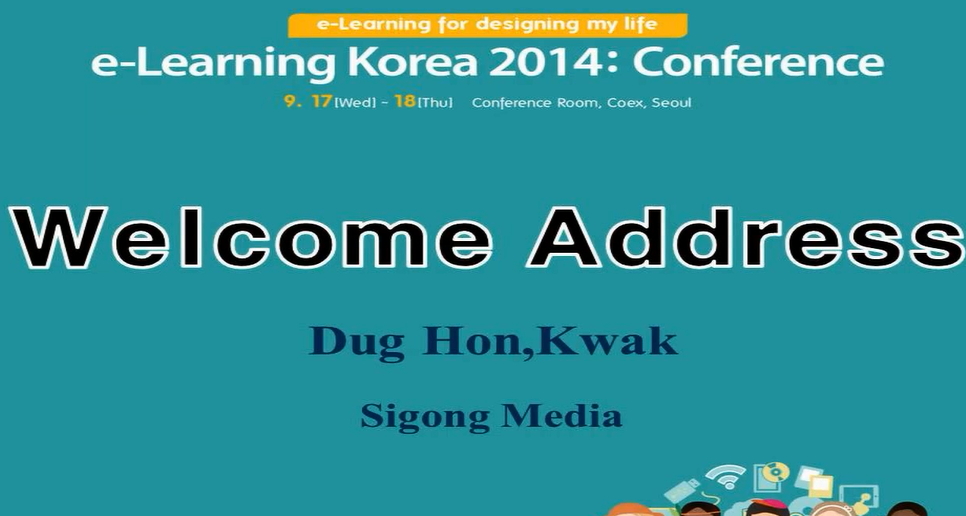
2014 이러닝 국제 콘퍼런스 : Whats Wrong with e-books and How to Fix It
한국교육학술정보원 Joseph Noble -
2014 이러닝 국제 콘퍼런스 : Education Technology with Moonshot Thinking
한국교육학술정보원 Suan Yeo
이 자료와 함께 이용한 RISS 자료
나만을 위한 추천자료


